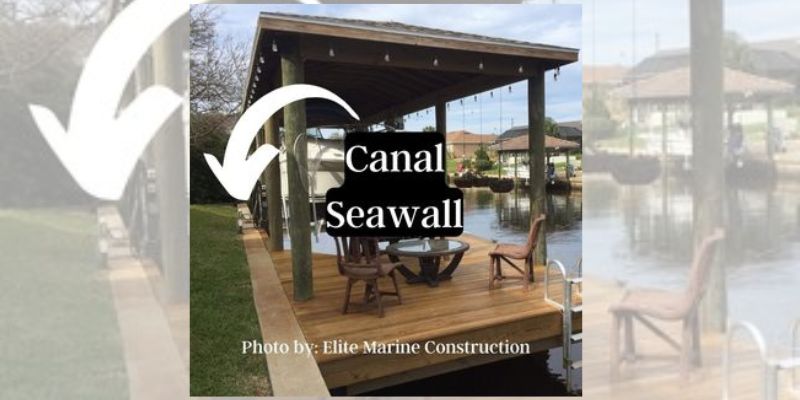
Why Seawall Construction & Maintenance Matters in Palm Coast
For homeowners along Palm Coast's canals and other Flagler County waterfront areas, a seawall is much more than the edge of the property. It helps protect the shoreline from erosion, wave action, tidal currents and soil loss. When a seawall begins to deteriorate, the problem may not remain limited to the wall itself. The land behind it, docks, decks and other waterfront improvements can also be affected.
Florida waterfront structures live in a demanding environment. Water movement, storms, drainage, changing soil conditions and normal aging can place continual pressure on a seawall. A properly designed seawall helps stabilize the shoreline and creates a barrier between the water and the property behind it. But even a well-built seawall should not simply be installed and forgotten.
The Small Signs Are Worth Paying Attention To
Cracks, leaning sections, damaged caps, disappearing soil, water intrusion, drainage problems or visible movement can indicate that a seawall needs closer attention. Finding a developing problem early may provide more options than waiting until significant structural damage has occurred.
Erosion Can Happen Behind the Wall
One of the problems waterfront homeowners may notice is soil beginning to disappear from behind the seawall. Water can find pathways through or around a compromised structure and carry soil with it. Over time, that loss can create voids, settling or instability along the waterfront portion of the property.
This is why looking only at the water-facing side of a seawall may not tell the whole story. Changes in the yard near the wall, sinking areas, unusual drainage or gaps developing behind the cap deserve attention as well.
What Should Waterfront Homeowners Watch For?
- Cracks in the wall or cap
- Leaning or visible movement
- Soil loss behind the seawall
- Low or sinking areas near the wall
- Water intrusion
- Drainage problems
- Storm or erosion damage
- Changes around docks or waterfront structures
Storms Make Regular Checks Even More Important
Tropical storms and hurricanes can place additional pressure on waterfront structures through higher water, wave action, heavy rain and erosion. A seawall that appeared stable before a major storm may develop damage afterward, making a post-storm visual check a sensible part of waterfront property maintenance.
Maintenance cannot guarantee that a seawall will never require major repair or eventual replacement. What it can do is help identify developing concerns before a homeowner is surprised by a much larger problem.
Maintenance Can Start Before There's a Major Problem
Local marine contractor Elite Marine Construction offers a seawall maintenance plan designed to help waterfront homeowners keep an eye on developing conditions such as erosion, soil loss, cap damage, drainage concerns, storm wear and early signs of movement.
Regular attention does not mean a seawall will never need repair or replacement. It does provide an opportunity to identify changes in the structure and surrounding property before an obvious failure occurs.
Learn About Elite Marine's Maintenance Plan →
Repair, Maintain or Replace?
Not every crack means a seawall needs to be replaced, and not every seawall problem can be solved with a minor repair. The condition of the wall, cap, anchoring system, drainage, surrounding soil and shoreline all matter.
A qualified marine contractor can evaluate the structure and help determine whether maintenance, repair, cap restoration or replacement should be considered. For Palm Coast waterfront homeowners, the important part is not waiting for an obvious failure before paying attention.
Your seawall is protecting more than the view from the backyard. It is helping protect the shoreline and the property that begins immediately behind it.
Palm Coast Seawall FAQs
What are common signs that a seawall may need attention?
Cracks, damaged caps, leaning or movement, soil disappearing behind the wall, sinking areas, drainage problems and changes around nearby docks or waterfront structures are all reasons to take a closer look.
Can soil wash away behind a seawall?
Yes. Water can move through or around compromised areas and carry soil away from behind the wall. Over time, this can contribute to voids, settling and instability near the waterfront.
Should I inspect my seawall after a hurricane or tropical storm?
A visual check after significant storms is sensible. Higher water, wave action, heavy rain and erosion can expose or worsen problems that were not obvious beforehand.
Does a damaged seawall always need to be replaced?
Not necessarily. The appropriate response depends on the condition of the wall, cap, anchoring system, drainage, surrounding soil and shoreline. A qualified marine contractor can evaluate whether maintenance, repair or replacement should be considered.
Local Seawall Resource
Elite Marine Construction
Seawall construction, repairs and ongoing maintenance for local waterfront properties.
View Elite Marine Profile →